Murraysburg Beaufort West Merweville Murraysburg Nelspoort

Murraysburg — Beaufort West

History

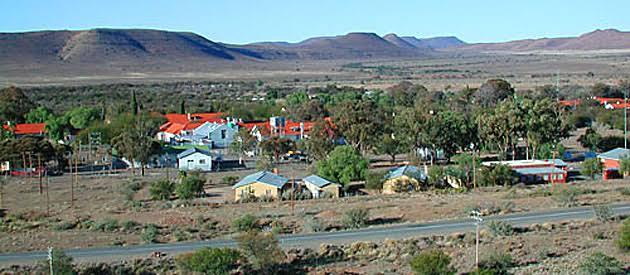
Murraysburg was established in 1855 on the farm Toorfontein, which was purchased for the purpose of founding a new church congregation and town. The settlement was named in honour of Andrew Murray, the Dutch Reformed Church minister of Graaff-Reinet, and Barend J. Burger, a local farmer who advocated for the town's creation. It was proclaimed a municipality in 1859.

During the Anglo-Boer War, Murraysburg was the site of conflict. In January 1901, a Boer commando led by Commandant Gideon Scheepers occupied the town and burned down several public and private buildings, including the magistrate's residency and the town hall.
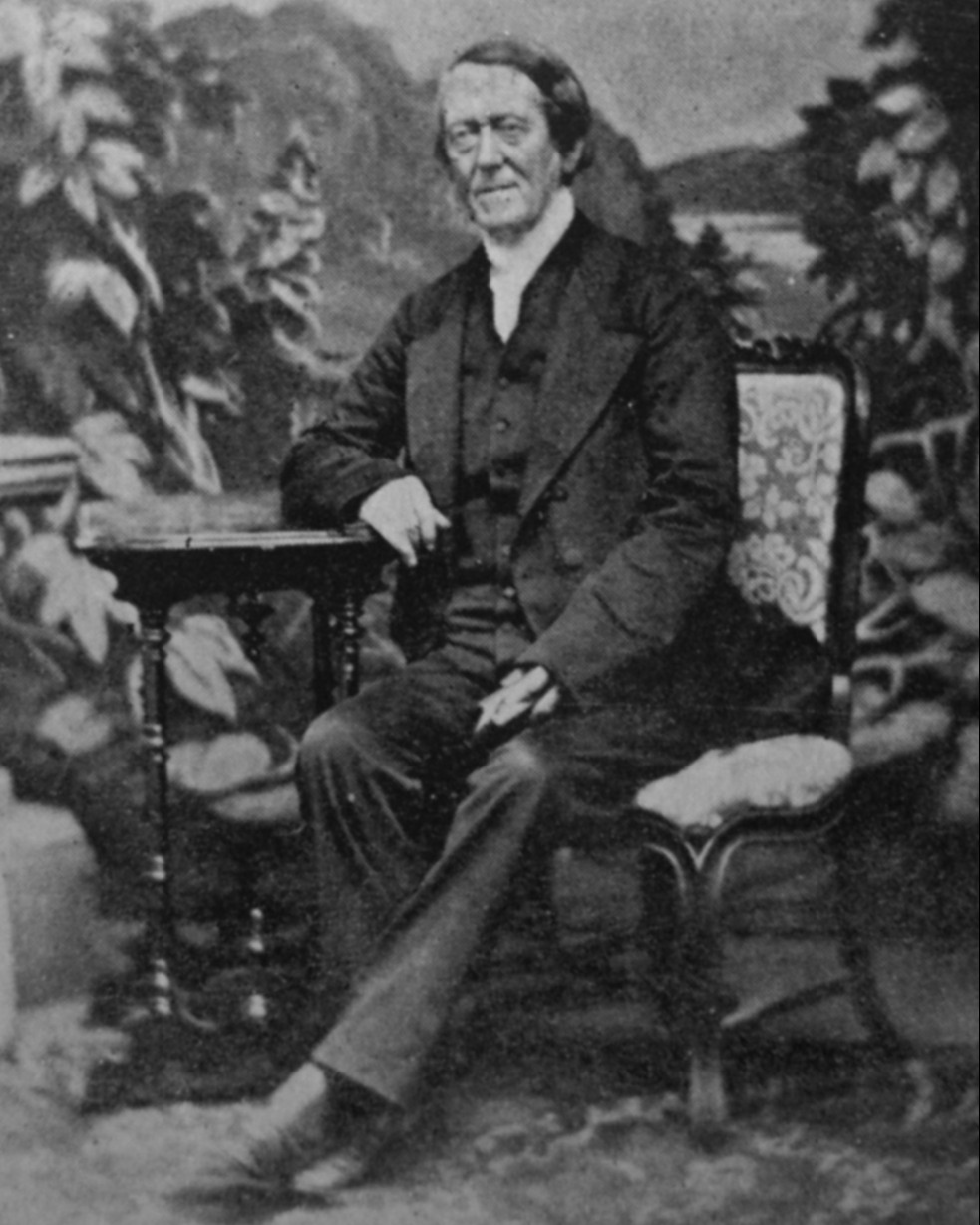
Reverend Andrew Murray (Sr)
Reverend Andrew Murray (Sr)

Economy

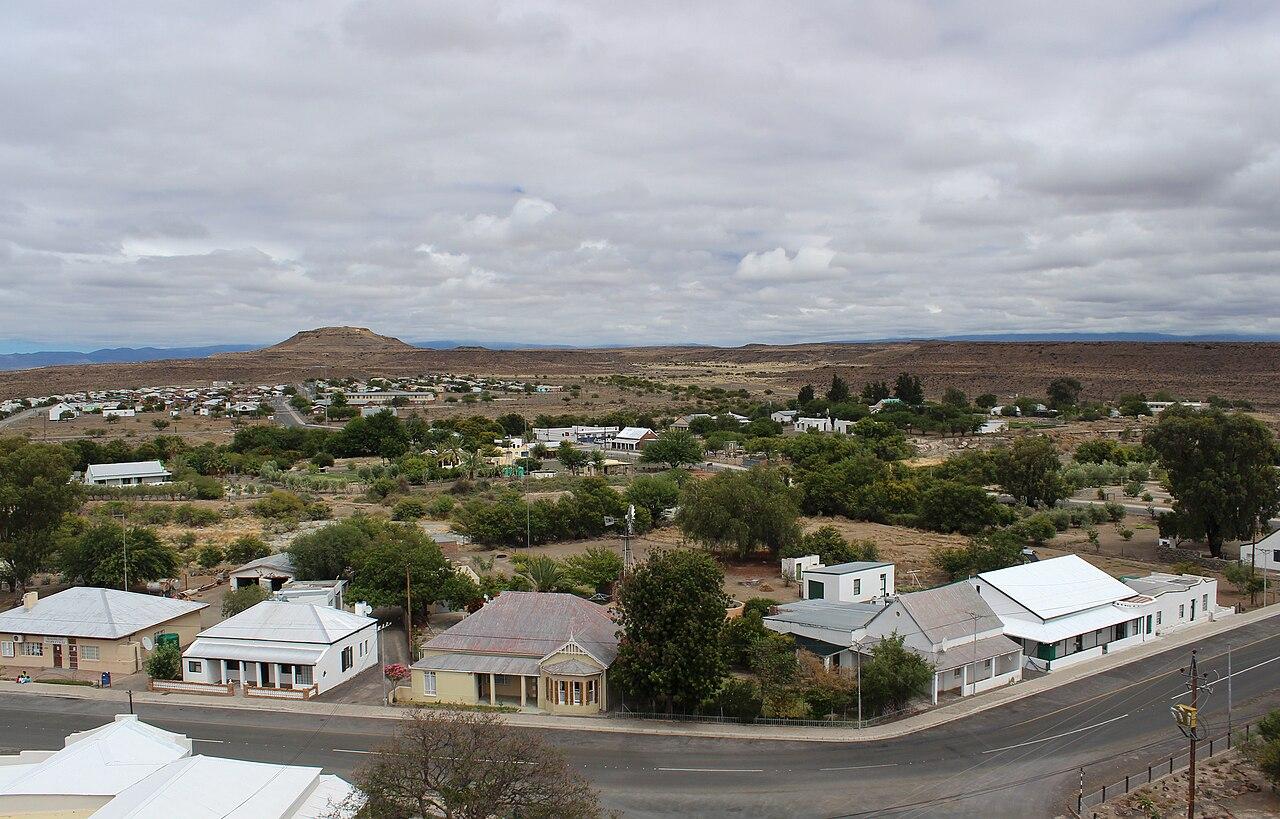
The local economy is predominantly agricultural, centered on extensive livestock farming. The primary products of the surrounding farms are merino wool, mutton, and mohair from Angora goats. Game farming and hunting tourism also contribute to local revenue.

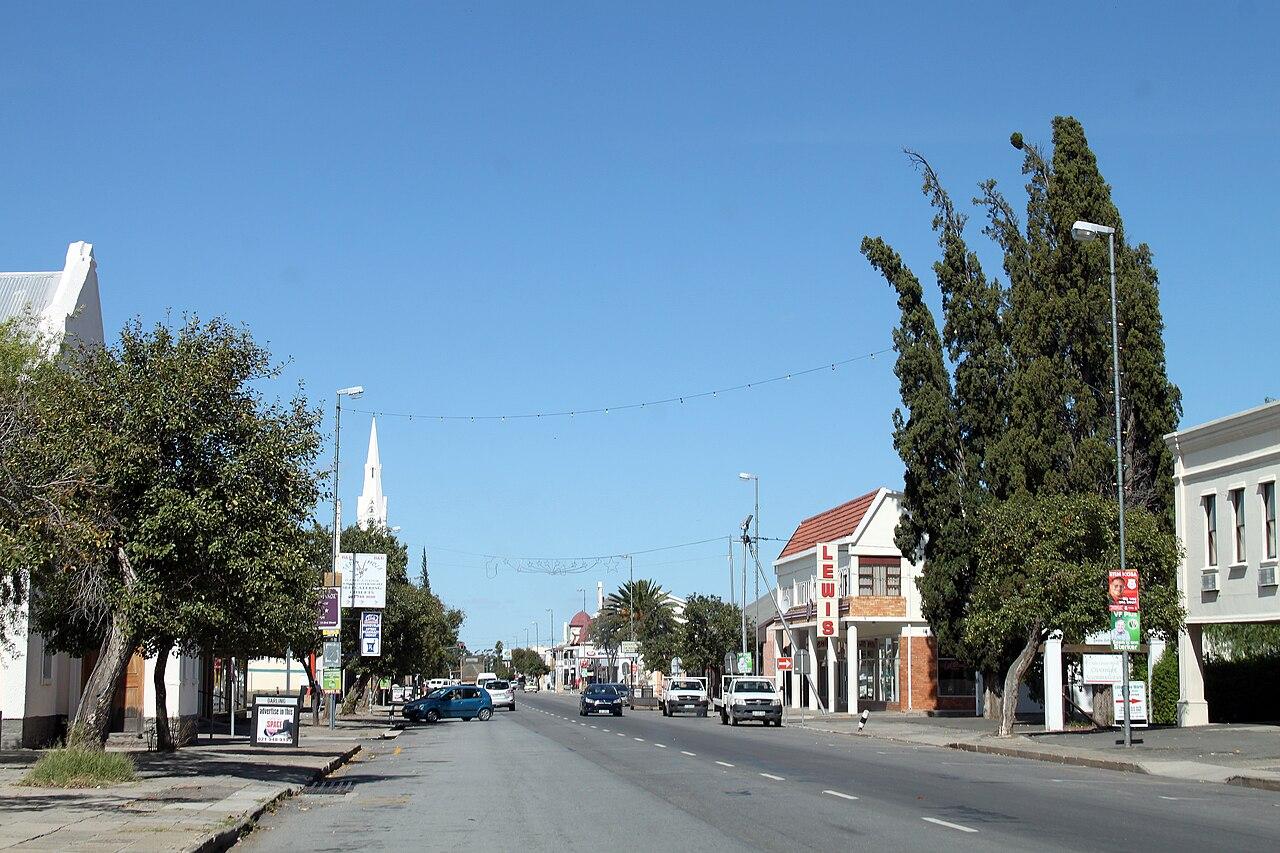
The town serves as an administrative and retail hub for the surrounding farming district. The R63 provincial road runs through the town, linking it to Victoria West and Graaff-Reinet, which facilitates the transport of agricultural goods.

Attractions

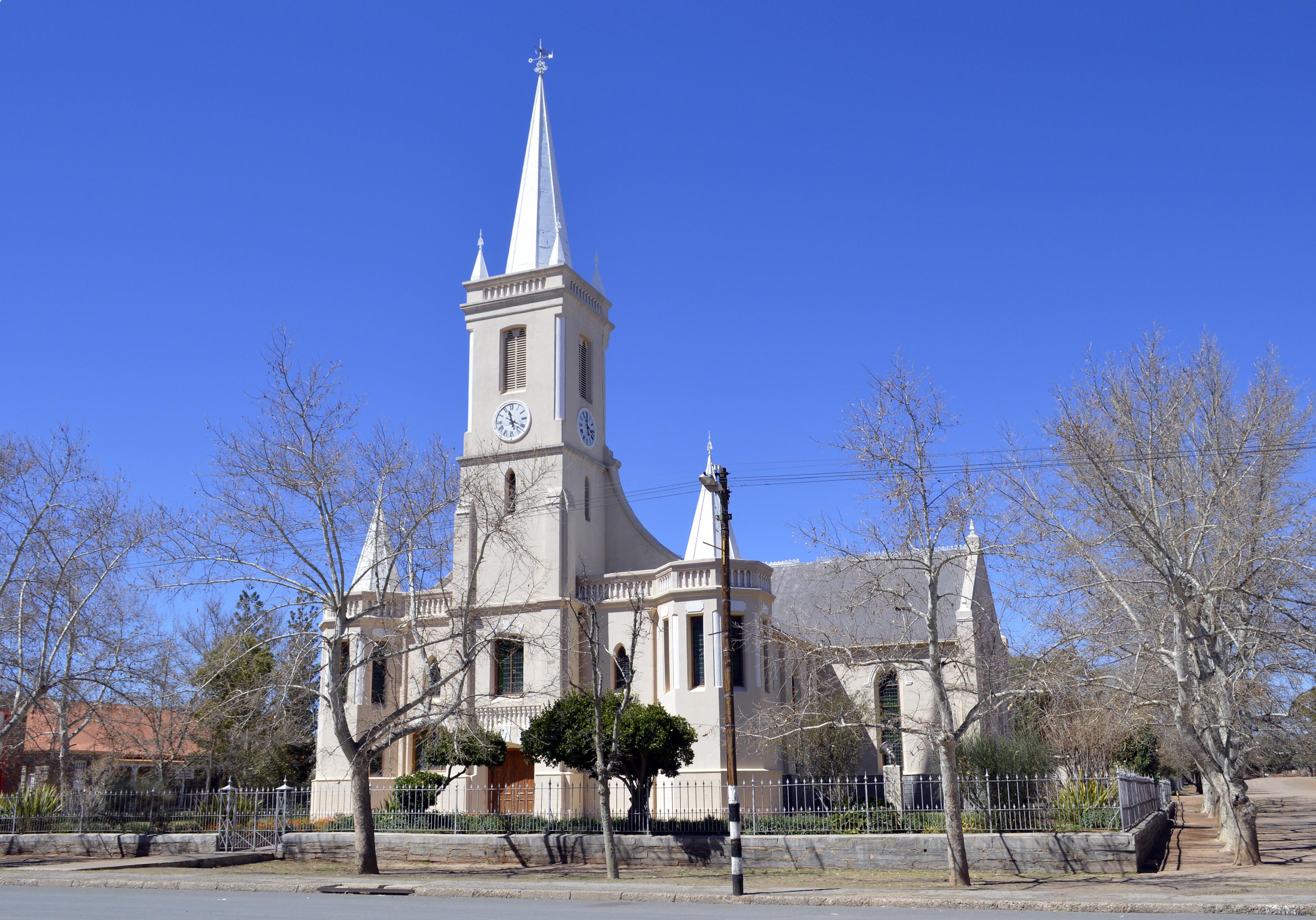
The Dutch Reformed Church, constructed in 1907, features a neo-Gothic design and houses a pipe organ installed in 1908. The town hall, rebuilt in the early 20th century after its destruction in the Anglo-Boer War, stands as a prominent historical building.

The surrounding Karoo landscape contains geological formations of the Karoo Supergroup, where paleontologists have documented numerous Therapsid fossils dating to the Permian period.